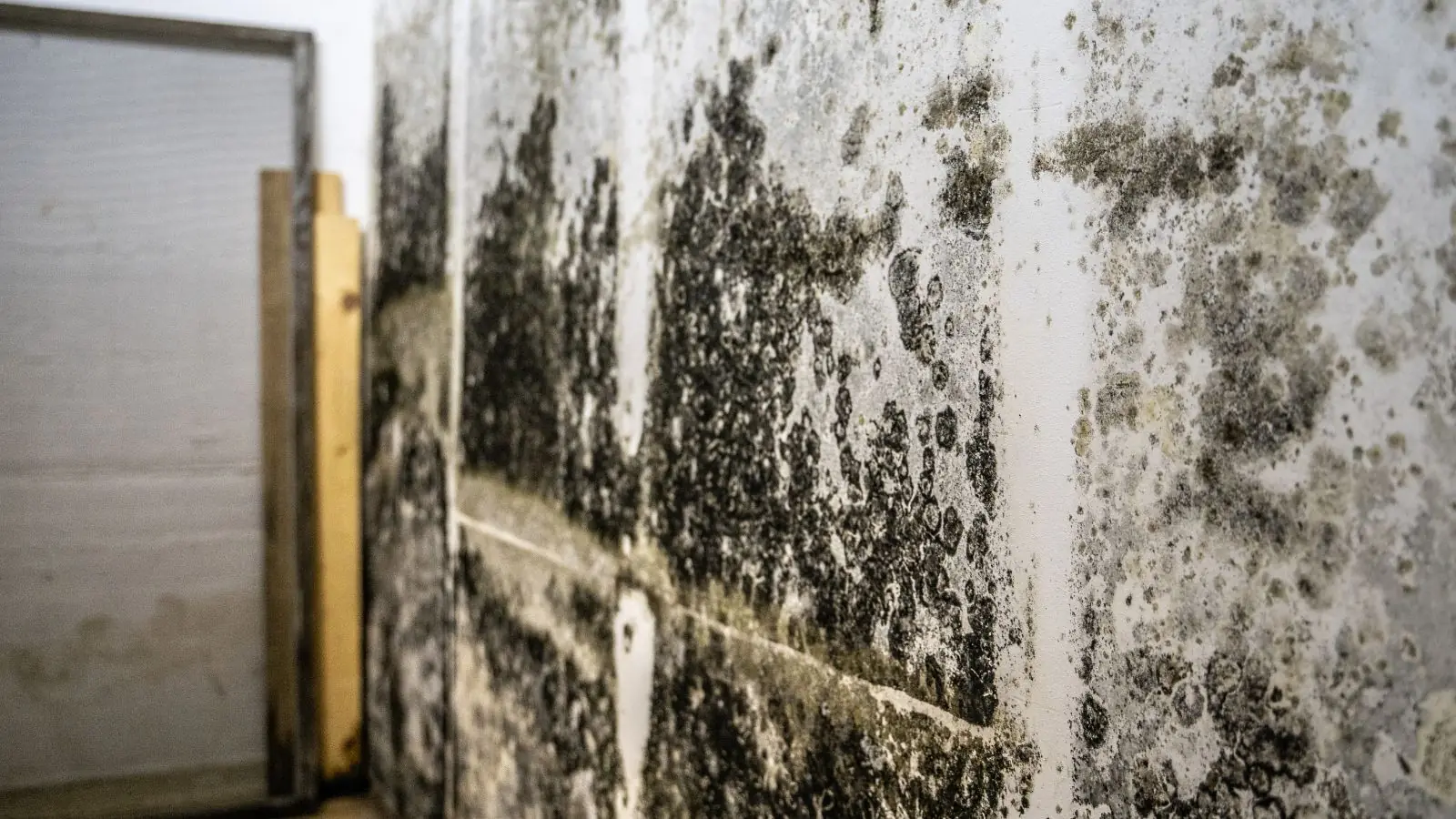
Keeping a basement or crawl space free of mold comes down to one habit: control where water gets in and how long damp air lingers. Mold needs moisture to grow, so a space that stays dry gives it very little to work with. If your home has a basement or crawl space, a dehumidifier, clear gutters, soil that slopes away from the house and a quick look after each big storm cover most of the ground.
Where lower-level moisture really comes from
Concrete and block feel solid, but they behave a bit like a sponge. Water in the soil moves into the foundation, rises through it, then evaporates into the room. That is why a lower level can smell damp even when you never see a puddle.
Soil and rain
Saturated ground presses water against walls and slabs. Cracks, window wells and poorly sloped soil give it an easy path.
Plumbing and appliances
A weeping supply line, a washer hose or a water heater that drips can wet a floor for weeks before anyone notices.
Condensation
Warm, humid air touching cool concrete or cold pipes leaves moisture behind. Summer air conditioning makes this common.
Drains and pumps
A floor drain that backs up or a sump pump that stops working sends water into the space fast.
Running a dehumidifier so it actually helps
A dehumidifier pulls water out of the air, but it only works well in a space that is closed up. Doors to the rest of the house should stay shut, and any exposed dirt floor in a crawl space needs a proper vapor barrier before a machine can keep up. Ask a qualified contractor about that barrier rather than guessing.
- Add a humidity gaugeA small hygrometer costs little and tells you what the air is doing. Note the reading on dry days, then watch how far it climbs after rain.
- Place the machine in open airKeep it a few feet from walls and stored boxes so air can move through it. Pushed into a corner, it recirculates the same damp pocket.
- Drain it on purposeA full bucket shuts many units off. Run the hose to a floor drain or a pump so it never quits while you are at work.
- Clean the filter and coilsDust cuts airflow and the unit works harder for less result. Check it on the same day each month.
One more point about humidity readings. If the number stays high no matter how long the machine runs, the space is probably taking in water from somewhere, and a bigger tank will not solve that.
Water still spreading?
Our 24/7 line is answered at any hour. Call (817) 623-9267 and describe what you see.
Outside the house: gutters, downspouts and grading
Most basement dampness starts outdoors. Water flows downhill, so soil that slopes toward the foundation guides rain right to the wall you are trying to protect. The ground within a few feet of the house should fall away from it.
Gutters and downspouts do the same job from above. A clogged gutter spills over the edge and soaks the soil under it, and a downspout that ends at the foundation wall dumps a whole roof of water in one spot. Extensions that carry the flow well out into the yard are cheap and effective.
- Clear gutters of leaves and shingle grit in spring and again in fall.
- Make sure every downspout discharges well away from the foundation.
- Keep soil and mulch below siding and slab edges so they do not trap water against the wall.
- Look at window wells and fill gaps where debris holds water.
- Check that irrigation heads do not spray directly at the foundation.
Reading the signs before they grow
| What you notice | What it often points to | Reasonable next move |
|---|---|---|
| Musty smell, no visible water | High humidity or a hidden damp spot | Add a gauge, run a dehumidifier, look behind stored items |
| White mineral crust on concrete | Water moving through the wall over time | Check grading and gutters outside, then watch after rain |
| Wet spot that returns after storms | Soil water finding a crack or joint | Photograph it, track dates, call a foundation or drainage contractor |
| Damp carpet or drywall base | Wicking from a wet floor or wall | Dry fast, remove wet material, call for water mitigation |
| Dark growth on a surface | Moisture has lasted long enough for mold | Find the water source first, then see the removal options |
Storing things so they do not hold moisture
Cardboard soaks up humidity and feeds mold once it stays damp. Move important items into plastic bins with lids and set them on shelves or pallets so air passes underneath. Keep a gap of a few inches between stored goods and the walls.
Rugs, upholstered furniture and paper records are the usual casualties. If something must live in a lower level, treat it as a guest in a damp place and check it every season.
A ten-minute check after every storm
- Look at the walls and floorScan the base of each wall with a flashlight. Dark patches, beads of water and swollen baseboard all mean moisture arrived.
- Test the sump pumpIf you have one, pour in a bucket of water and confirm it starts and discharges. A pump that sits idle for months can stick.
- Check the yardWalk the perimeter and look for pooling, eroded soil or a downspout that has come apart.
- Write it downA note with the date and what you saw makes patterns easy to spot, and helps if you ever report a loss.
When damp air is a sign of a bigger water problem
Standing water, wet drywall, water coming up from a floor drain or a wall that stays wet for days is no longer a humidity issue. It is a water loss, and the clock on drying matters. Shut off the source if you can, keep power away from wet areas and call a licensed and insured restoration professional.
Sewage that backs up from a drain is a separate case. Stay out of the area and call for help rather than cleaning it with household supplies.
What to Do Before a Crew Arrives
Mold and wet materials call for a few careful steps. Most of them are about not making the problem bigger.
- Do not disturb visible growth. Scrubbing or sanding can spread spores through the house.
- Turn off the HVAC system if growth or a musty smell is near a vent or return.
- Stop the moisture source first, such as a leak, a clogged condensate line, or a wet crawl space.
- Do not mix bleach with ammonia or other cleaners, since the fumes are dangerous.
- Photograph the area and note dates so the damage is documented.
- If anyone has breathing trouble, call a physician. For fire, gas, or electrical danger, call 911.
What restoration can and cannot do
Drying a wet space, removing damaged materials and cleaning up mold are restoration jobs. Changing how water reaches your foundation is not. Waterproofing, regrading and drainage installation belong to other trades, and an honest restoration company will tell you so.
If water has already reached the space, professional water mitigation removes it and dries structure with measured equipment. If growth has appeared, mold remediation deals with the affected materials. Neither one promises that mold will never return, because that depends on the moisture staying away afterward.
Cost depends on factors rather than a flat rate: how much area is wet, what materials are involved, how many days of drying are needed and how much rebuild follows. Scope and price are explained before work starts.
Frequently Asked Questions
No, and this guide does not assume yours does. Many homes in the area sit on slabs, while others have crawl spaces or lower levels. The same moisture ideas apply to any space below or near ground level, so use the parts that fit your house.
Check the bucket daily at first so you learn how fast it fills. If you use a hose or pump, glance at it weekly. A sudden jump in water collected usually means a new moisture source.
A smell alone points to damp air or a hidden wet spot. Try the humidity steps above and look behind stored items. If the odor stays after a week or so of drying, or you find dark growth, a call is reasonable.
Texas Department of Insurance guidance says policies usually cover sudden, accidental water damage but not gradual leaks or seepage, and standard policies exclude flood. Check your policy and ask your insurer about your situation.
Not necessarily. Water can enter at a window well, a downspout discharge point or a joint without any structural failure. Document it, fix the outside cause and call a foundation specialist if cracks widen or the spot keeps returning.
Hurst Storms and Your Lower Level
The National Weather Service in Fort Worth says spring and fall are typically the wettest periods in the area, mostly from thunderstorms, and flooding occurs nearly every year somewhere in North Texas. For a lower level, that means the gutter and grading check belongs on your calendar before March and again before fall.
The City of Hurst floodplain page notes that FEMA has mapped stream flooding, but localized street and yard flooding has not been mapped. A property can see water without sitting in a mapped zone, so ask the City Engineering Division about flood map information for your address. The city also lists preventing basement flooding from sewer backup or sump pump failure among its retrofit options, which makes a working sump pump worth testing.
Neighbors in Bedford are reminded by their own city that debris can clog storm drain inlets, and the same applies on any Hurst street. Clearing leaves from the curb inlet near your home helps water leave the street instead of your yard. Homes in Euless see the same spring storm pattern, so these habits travel well.
Sources: National Weather Service Fort Worth, City of Hurst floodplain page, City of Bedford stormwater information.