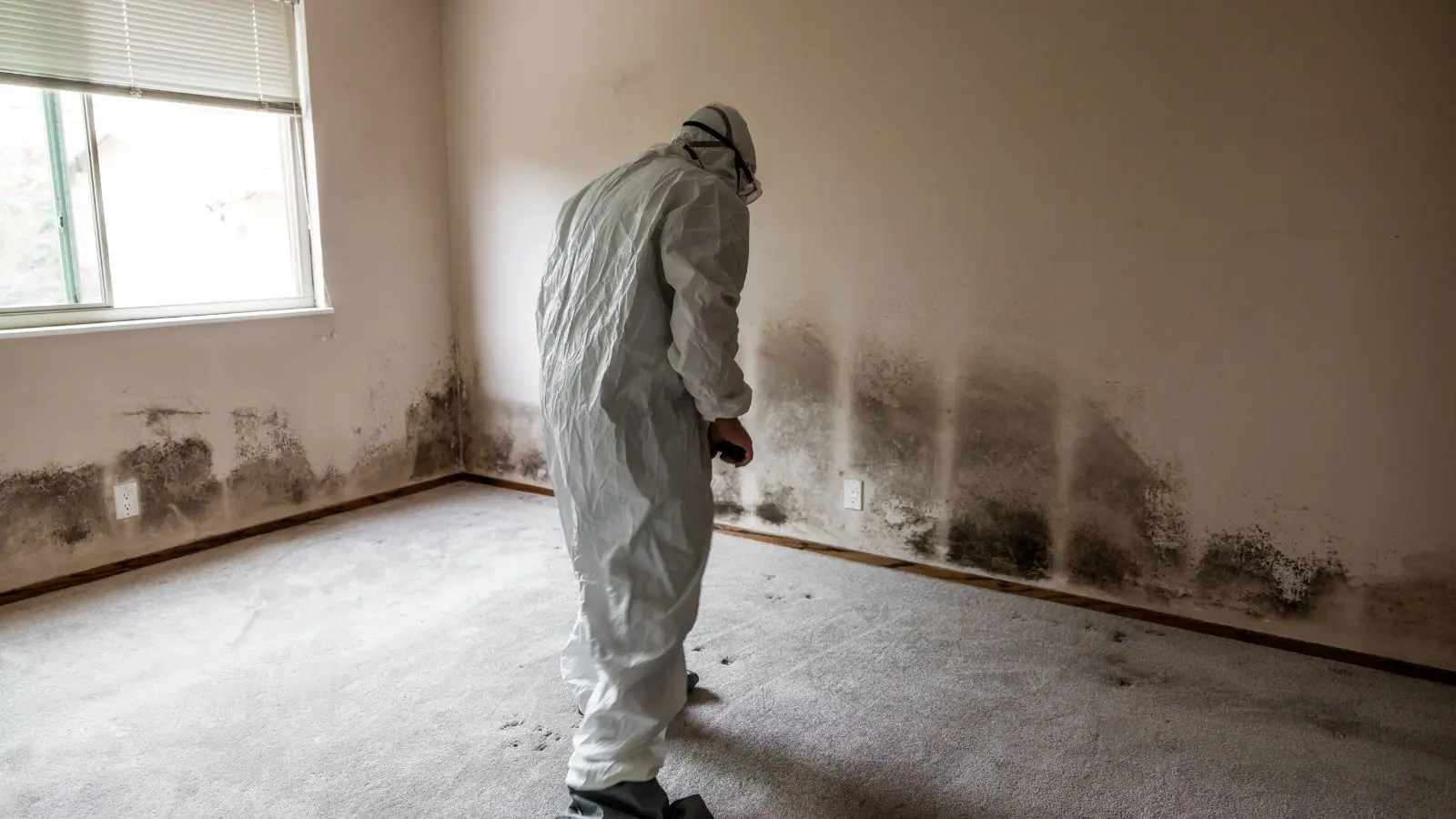
To get rid of mold in a basement, stop the water that feeds it, then remove the materials it is growing on. Under Texas rules, visible mold under 25 contiguous square feet may generally be cleaned by unlicensed people. Bigger areas, or growth that has gotten into porous materials such as carpet and drywall, usually call for a licensed assessor and a licensed remediator.
Why cleaning alone never settles it
Mold is a living growth that needs moisture, food and time. Basements supply food in the form of paper, wood, drywall and dust. The only part you can control cheaply is the moisture, which is why every sound removal plan starts with finding the water.
Scrubbing a stain off concrete while a wall leaks behind it is like mopping beside a running faucet. The surface looks better for a few days, then the same spot darkens again.
Water still spreading?
Our 24/7 line is answered at any hour. Call (817) 623-9267 and describe what you see.
A removal sequence a homeowner can follow
- Find and fix the waterLook for a plumbing leak, a failed sump pump, a downspout dumping at the wall or condensation on cold pipes. Fix it or have a trade fix it before any cleanup.
- Measure the areaPace it out and add up the visible growth. Under 25 contiguous square feet is the Texas line for unlicensed cleanup. If you are close or unsure, treat it as larger.
- Suit upUse an N95 or better respirator, gloves that reach past the wrist and sealed eye protection. Wear clothes you can wash right away or throw out.
- Limit the spreadClose doors, cover floor vents and shut off the furnace fan. Do not use a household fan to speed drying near the growth, because it blows dust around.
- Remove porous materialsBag affected carpet, pad, insulation and ceiling tile in heavy plastic and take them out of the house. Cutting them up inside the room spreads more debris.
- Clean hard surfacesWipe concrete, metal and sealed wood with detergent and water, then rinse with clean water. Use damp cloths rather than dry brushing.
- Dry completelyLet the area dry with ventilation or a dehumidifier. Material that stays damp invites regrowth.
Protective gear is not optional
Disturbing mold sends dust into the air. Gear keeps it off your skin, out of your eyes and away from your breathing. Anyone with health concerns, or who is asking whether exposure could be an issue, should talk with a physician, since health questions are outside what a restoration company can answer.
Never mix cleaning chemicals, and keep the space ventilated while you work.
What gets removed and what can be cleaned
| Material | Usually cleaned | Usually removed |
|---|---|---|
| Poured concrete floor | Yes, with detergent and rinse | Only if damaged or contaminated by sewage |
| Painted drywall | Light surface growth on a dry wall | When wet inside, soft, swollen or widely affected |
| Carpet and pad | Rarely | Almost always when mold is present |
| Insulation | No | Yes, because it holds moisture |
| Solid framing lumber | Often, by sanding or cleaning under controlled conditions | If rotted or soft |
| Cardboard and paper | No | Yes |
| Furniture and soft goods | Sometimes, if hard and dry | When fabric or stuffing is affected |
The reasoning is simple. Porous materials soak growth in deep, so wiping the surface does not reach it. Hard, sealed materials keep the growth on top where cleaning works.
When the job moves past DIY
Call a licensed professional when growth covers more than 25 contiguous square feet, when it sits in or behind walls, when it follows a sewage backup or when you cannot find the water source. Water that is still present, or drywall that stays damp, also points to water mitigation first.
For larger jobs the Texas process separates two roles. A licensed assessment consultant inspects, writes a protocol with cleanup criteria and later checks the work. A licensed remediator then follows that protocol. Owners or managers of buildings with fewer than 10 dwelling units do not have to be licensed for mold work on that property, but they can still choose to hire help.
- Ask to see license numbers and verify them on the TDLR public license search.
- Expect a written scope that names areas, methods and materials to be removed.
- Expect containment, such as plastic barriers, and controlled air filtration for larger jobs.
- Ask what cleanup criteria the assessor set and how it will be confirmed.
- If you have an insurance claim, ask your insurer what documentation it needs.
Timing also matters. Mold that has been wet for a long stretch tends to go deeper into drywall and framing, so waiting rarely makes the job smaller. If you spot growth after a known leak, acting in the first days keeps more material salvageable.
What professionals can and cannot promise
Professionals follow the published ANSI/IICRC S520 standard for mold work. They can remove affected materials, clean what is salvageable, document the result and confirm that moisture has been addressed. They cannot promise mold will never come back, because that depends on the space staying dry afterward.
They also do not fix drainage. If your basement leaks through a wall or floor from outside, you will need a waterproofing or drainage contractor in addition to restoration. We are honest about that. Cleanup that ignores the water source only resets the clock.
Cost depends on factors: how much material must come out, how large the contained area is, how many days of drying are needed and how much rebuild follows. Scope and price are explained before work starts. A call to mold remediation professionals is the place to start when you are not sure which side of the line you are on.
Frequently Asked Questions
Spraying a surface does not remove growth from porous materials, and wet drywall will stay wet underneath. Bleach is not a substitute for finding the water. Hard, sealed surfaces are usually cleaned with detergent and water.
The rule is about contiguous area, meaning connected growth. Several separate patches are harder to judge, so measure carefully and call TDLR or a licensed professional when you are unsure.
Color and appearance do not identify what is growing. If you want testing, a licensed mold assessor does it and follows ANSI/IICRC S520. A company that both tests and cleans can create a conflict of interest, so many people keep those roles separate.
Ask the City of Hurst Building Inspections office whether your repair scope needs one. Repair costs of 50 percent or more of pre-damage market value count as substantial damage and require a permit.
Treat it as a sewage loss, not a mold project. Stay out, keep children and pets away and call for help. Sewage cleanup follows different steps than mold cleanup.
Basement Mold Questions in Hurst
Hurst residents who want to understand water risk can check flood risk on FEMA's site and call the City Engineering Division for flood map information. The city notes that localized street and yard flooding has not been mapped, so a basement can take on water without sitting in a mapped zone. Knowing the source of the water is what makes removal stick.
If a repair turns out to be large, the City of Hurst says substantial damage, meaning repair costs of 50 percent or more of pre-damage market value, requires a building permit through Building Inspections at City Hall. Call them before demolition begins so the paperwork matches the scope.
Sewage is a special case anywhere in the area. In Haltom City, for example, the city's sanitary sewer policy puts the sewer lateral on the property owner. If sewage is involved at your Hurst home, ask City of Hurst Public Works which side of the line a stoppage sits on before any cleanup starts.
Neighbors in Euless ask the same thing after spring storms: is this a small patch or a project? Measuring the growth and finding the water are no-cost steps that answer most of it.
Sources: City of Hurst floodplain page, Texas Department of Licensing and Regulation, City of Haltom City sanitary sewer policy.