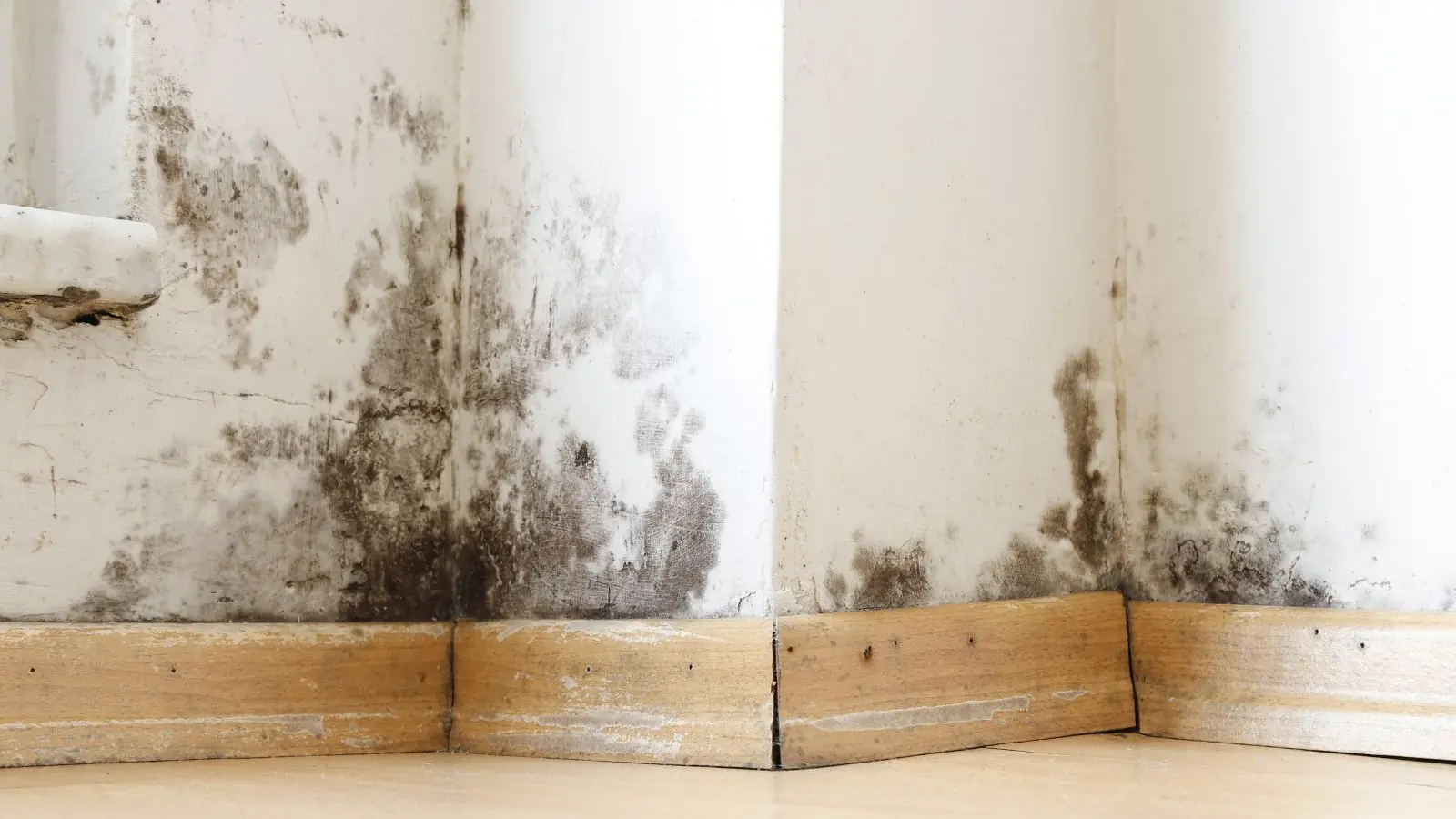
Mold can begin within about a day after materials get wet, according to the Texas Department of Insurance, so the first 48 hours decide how much you will need to repair. Stop the water, remove standing water, open the space to airflow and get wet materials drying right away. Professional water mitigation is the fastest way to dry structure that a fan and towels cannot reach.
Hour by hour: what the first two days look like
| When | What to do | Why it matters |
|---|---|---|
| Right away | Shut off the water source, stay clear of wet electrical areas, take photos and video | Stops more water and documents the loss before cleanup |
| First hours | Remove standing water, lift small rugs, prop up furniture on blocks or foil | Water wicks into legs, padding and baseboards quickly |
| Same day | Open windows if weather allows, run fans and any dehumidifier, pull wet items apart | Air movement carries moisture out of materials |
| Day two | Check inside cabinets, behind baseboards and under flooring for hidden dampness | Wet material trapped behind surfaces is where growth usually starts |
| After 48 hours | If anything is still wet or smells musty, call a licensed and insured professional | Drying gets harder and rebuild scope grows with each day |
Why speed matters so much
Drywall, wood and insulation absorb water far beyond the visible wet line. Drywall in particular wicks upward like a paper towel dipped in a glass. By the time you can see a stain, the board may be wet well above it.
Mold needs moisture, a food source and time. Wet paper facing on drywall, damp wood and dusty carpet supply food. Drying removes the moisture, which is the only part of that triangle you can quickly change.
Water still spreading?
Our 24/7 line is answered at any hour. Call (817) 623-9267 and describe what you see.
What to dry and what to discard
Usually worth drying
Solid wood framing, concrete, tile, hard furniture, sealed hardwood in short exposures and clean, lightly wet drywall when it is caught early.
Often discarded
Carpet padding, wet insulation, particleboard cabinets that swell, ceiling tile and soaked drywall. These hold water or fall apart.
Depends on the water
Clean supply water can allow more salvage. Water from a sewage backup or outside flooding is a different case, and porous items from it are usually removed.
Keep for the adjuster
Texas Department of Insurance guidance says to keep damaged items until the adjuster has seen them. Photograph first, then ask before you toss.
Professionals measure moisture with meters and use air movers and dehumidifiers until readings return to normal for the materials involved. The published ANSI/IICRC S500 standard guides water damage work, and homeowners can ask any company whether its crews follow it.
Do not do this first
Do not turn on ceiling fixtures under a wet ceiling, and do not walk through standing water near outlets or appliances. Shut off power to the affected area at the panel only if you can reach it safely, otherwise call for help.
Do not paint, caulk or install new flooring over materials that may still be wet. Sealing moisture in is one of the quickest ways to create a problem that appears weeks later.
If the leak went unnoticed for days or weeks
Not every water loss shows up as a flood. A pinhole in a supply line, a slow condensate line or a leaking shower pan can feed a wall for weeks. By the time a stain or smell appears, the damage may be well past the 48 hour mark.
- Trace the sourceLook for staining, soft spots, bubbled paint, warped flooring or a smell near plumbing, windows and air conditioning equipment.
- Stop the waterClose the valve to that fixture or call a plumber. Drying cannot succeed while water keeps arriving.
- Open and inspectA small inspection hole in drywall or removal of a baseboard shows whether the cavity behind is wet or already affected.
- Report promptlyTDI says hidden water damage generally must be reported within days after you first see it. Check your policy and ask your insurer.
- Decide on mold workIf growth is present, the question shifts to cleanup and, for larger areas, to a licensed assessor and remediator.
TDI also notes that policies usually do not cover gradual leaks or seepage, while sudden and accidental damage is often covered. The line between them can be hard to see from your living room, so describe what you observed and let your insurer decide.
When mold is already visible
Growth that appears within days of a wet event is still a moisture problem first. Dry the area, then judge the size. Visible mold under 25 contiguous square feet may generally be cleaned by unlicensed people in Texas, while larger or hidden growth calls for licensed help through mold remediation specialists.
Colored spots, odor and fuzzy patches do not tell you what species you have, and they do not tell you anything about anyone's health. Health questions belong to a physician. Testing, if you want it, belongs to a licensed assessor following ANSI/IICRC S520.
What restoration can and cannot do
Fast drying lowers the chance of mold, but it cannot guarantee that mold never develops, and no honest company can promise that. Some water was in the structure too long, or the source keeps returning. In those cases the realistic goal is to remove what is beyond saving and dry the rest.
Cost depends on the water category, the square footage affected, the materials, the drying days and equipment needed, and the rebuild afterward. Scope and price are explained before work starts. Call as soon as you see water so the estimate reflects a small job instead of a larger one.
Frequently Asked Questions
TDI says mold can start within about a day. The 48 hour mark is a practical deadline for getting equipment running and wet materials sorted, not a guarantee of safe or unsafe conditions.
Sometimes, if the water was clean and you act quickly. Lifting the carpet and removing the pad is usually necessary, since pad holds water. If the subfloor is wet or the water was not clean, professional drying is the safer route.
No. Hard, nonporous items often clean up and dry well. Soft, porous items tend to be the ones removed. Photograph everything first and keep damaged items until your adjuster has seen them.
A stain only tells you water got there. It could be a roof, flashing or air conditioning issue, and the surface may or may not have growth. Find the source, check whether the material is still damp and call if it is.
TDI says mold from a covered, damaged item would be covered, but most policies do not include mold cleanup and testing after the damaged item is removed. Read your policy and ask your insurer what applies.
Hurst Water Events and the Mold Clock
The National Weather Service in Fort Worth reports that large hail, damaging winds and flooding occur nearly every year somewhere in North Texas, and spring is the peak for severe weather. After a storm, check ceilings and attic edges within a day, since roof leaks often show up as stains hours after the rain ends.
July and August highs usually reach the 90s and often 100 or more, so air conditioners run constantly. Condensate lines and drain pans become real leak sources, and the slow, hidden kind is the one most likely to get ahead of you. Look at the pan and line before the summer peak.
The City of Hurst floodplain page quotes that only one inch of water in an average home can cause more than $25,000 in damage. That figure is the city's, and it is a reminder to act on small amounts of water. In Bedford and North Richland Hills, the same advice applies after a roof or pipe event: start drying right away.
Sources: National Weather Service Fort Worth, City of Hurst floodplain page, Texas Department of Insurance.