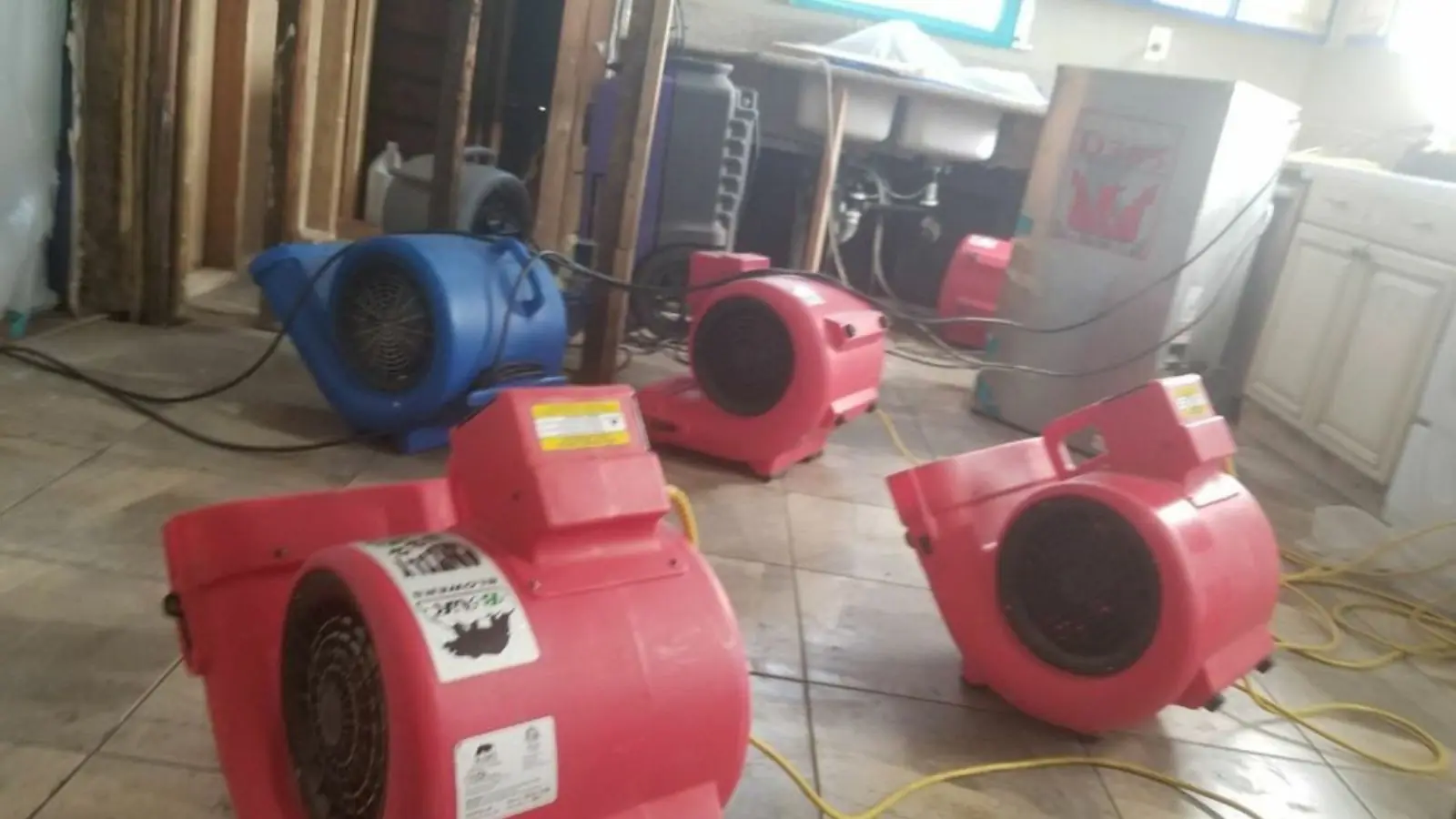
File when the damage looks sudden and accidental, such as a burst pipe, an overflowing toilet or a broken washer hose, and tell your insurer promptly. Slow leaks and neglect are often excluded, and floods are excluded from standard home policies. Whether a small loss is worth a claim depends on your deductible and your policy, so call your insurer with questions before you decide.
Start with how the water arrived
Insurers sort water losses by cause. The Texas Department of Insurance says most homeowners and renters policies cover sudden, accidental water damage. The same guidance says policies usually do not cover gradual leaks or seepage. That single line settles more claim questions than anything else.
| What happened | How policies often treat it | Practical move |
|---|---|---|
| Supply line or pipe bursts overnight | Often covered as sudden and accidental | Stop the water, document, report promptly |
| Washer hose splits and floods a laundry room | Often covered as sudden and accidental | Photograph the failed hose and keep it |
| Toilet overflows into the hall | Often covered as sudden and accidental | Report, dry the area, save receipts |
| Slow drip under a sink for months | Often not covered as a gradual leak | Fix the leak and ask your insurer what applies |
| Creek or street water enters the house | Flood is excluded from standard home policies | Check for a separate flood policy |
| Hidden leak found inside a wall | Depends on cause, report within days of seeing it | Report promptly and let the insurer inspect |
| Roof storm damage lets rain in | Depends on your policy terms | Tarp it, keep receipts, call your insurer |
The wording in your own policy always wins over a general table. Pull out the declarations page and the water damage sections, and ask your insurer to explain any term you cannot read plainly.
Sudden versus gradual, in real homes
A hardwood floor that cups beside a dishwasher might look like a sudden event. But if the supply valve had been weeping for a long time, the insurer may see it as seepage. What matters is the history of the leak, which is why dated photos and honest notes help.
An AC condensate line that clogs in a hot August can overflow into a ceiling quickly. That feels sudden to the owner, yet an insurer may ask how long the line had been blocked. Neither answer is yours to guess, so describe what you saw and when.
A third case sits in between. Water from a failed roof flashing may soak insulation for weeks before a ceiling stain appears. The insurer will ask when the damage began, and honest dated photos of the first stain are your best answer. Do not backdate anything or guess.
Water still spreading?
Our 24/7 line is answered at any hour. Call (817) 623-9267 and describe what you see.
The flood question and the 30-day wait
Flood damage is a separate category. Home policies do not cover floods, and mold from a flood is not covered either, so a separate flood policy is needed. The City of Hurst floodplain page adds that there is a 30-day waiting period before National Flood Insurance Program coverage takes effect.
That wait means a policy bought after storm warnings are already in the forecast will not help with that storm. If you have never checked, ask your agent today how flood coverage works for your address.
Thinking about your deductible
Your deductible is the amount you pay before coverage starts. A small loss that barely clears it may not be worth the paperwork, while a large one almost certainly is. You can ask your insurer how filing might affect your coverage in the future, since policies differ.
Cost does not stay small if water sits. Drying scope, materials and rebuild work all grow with time and square footage. We explain scope and price before work starts, so you can set that number beside your deductible and think clearly.
Ask before you decide, not after
Calling your insurer to ask questions is not the same as filing, but read your policy for how it treats inquiries. Ask what documents they want and whether the loss sounds like something the policy covers.
Some owners skip a claim because the visible damage looks minor. Wet drywall and insulation can hold moisture long after the surface dries, so a loss that looks small on day one can grow. That is a reason to get the drying facts early, not a reason to file or skip.
A short path to deciding
- Make it safe and stop the sourceShut off the water, keep power away from wet areas and begin drying. TDI says mold can start within about a day, so do not wait on the paperwork to protect the house.
- Document before repairsPhotos and video first, then a list of damaged items. Keep ruined items until the adjuster has seen them.
- Read your policyLook at water damage language, exclusions, your deductible and any endorsements.
- Report promptlyTell your company as soon as possible. Do not sit on a loss while you debate.
- Hold permanent repairsTemporary repairs are fine and receipts matter. Permanent work can wait until the insurer has inspected.
Hidden damage and the reporting window
Some water damage hides behind cabinets, under flooring or inside walls. TDI says hidden water damage usually must be reported within days after you first see it. Once you spot a stain, soft spot or musty smell, treat that moment as the start of the clock and call your insurer.
Where a restoration company fits
A restoration company dries the structure, removes materials that cannot be saved and writes down what it did. We do not decide coverage and we do not promise what any insurer will pay. We can explain the work so you have facts when you call your company.
For standing water, see our emergency water removal service, and for rebuilding after drying, water damage repair. Owners in North Richland Hills and Haltom City often ask the same questions about whether a loss is worth filing, and the same decision path applies there.
If you want to understand the drying side before you decide, call us and we will walk through what the work would involve.
Frequently Asked Questions
That depends on your insurer and your policy, and we cannot predict it. Ask your company how inquiries and claims are handled before you file, and read the renewal terms in your policy.
Stop the water and make temporary repairs, yes. But take photos first, keep receipts and keep damaged items. Tell your insurer soon, and hold off on permanent repairs until they have inspected.
Policies usually do not cover gradual leaks or seepage, but wording varies. Check your policy and ask your insurer about your specific case.
Many policies treat sewer backup separately, so look for a water backup endorsement in your policy and ask your insurer. Do not clean it up with bare hands.
The City of Hurst Engineering Division at 817-788-7076 provides flood map information and flood zone determinations. You can also check FEMA's site for your address, and bring what you learn to your insurance agent.
Hurst Flood Facts for Claim Decisions
The City of Hurst floodplain page says only one inch of water in an average home can cause more than $25,000 in damage. That is the city's statement, not ours, and it shows why even a shallow flood can outrun a small repair budget. Look up whether your policy includes any flood coverage before the next storm.
The same page notes that a 1 percent annual chance storm has about a 26 percent chance of occurring over a 30-year mortgage, and that flood policies usually cover the structure while contents coverage is separate. When you review a flood policy, ask your agent whether contents are included and how the 30-day wait applies.
The National Weather Service Fort Worth notes that spring and fall are typically the wettest periods in North Texas. That is a good time to review your coverage rather than after the first storm arrives.
Sources: City of Hurst floodplain page, Texas Department of Insurance, National Weather Service Fort Worth.