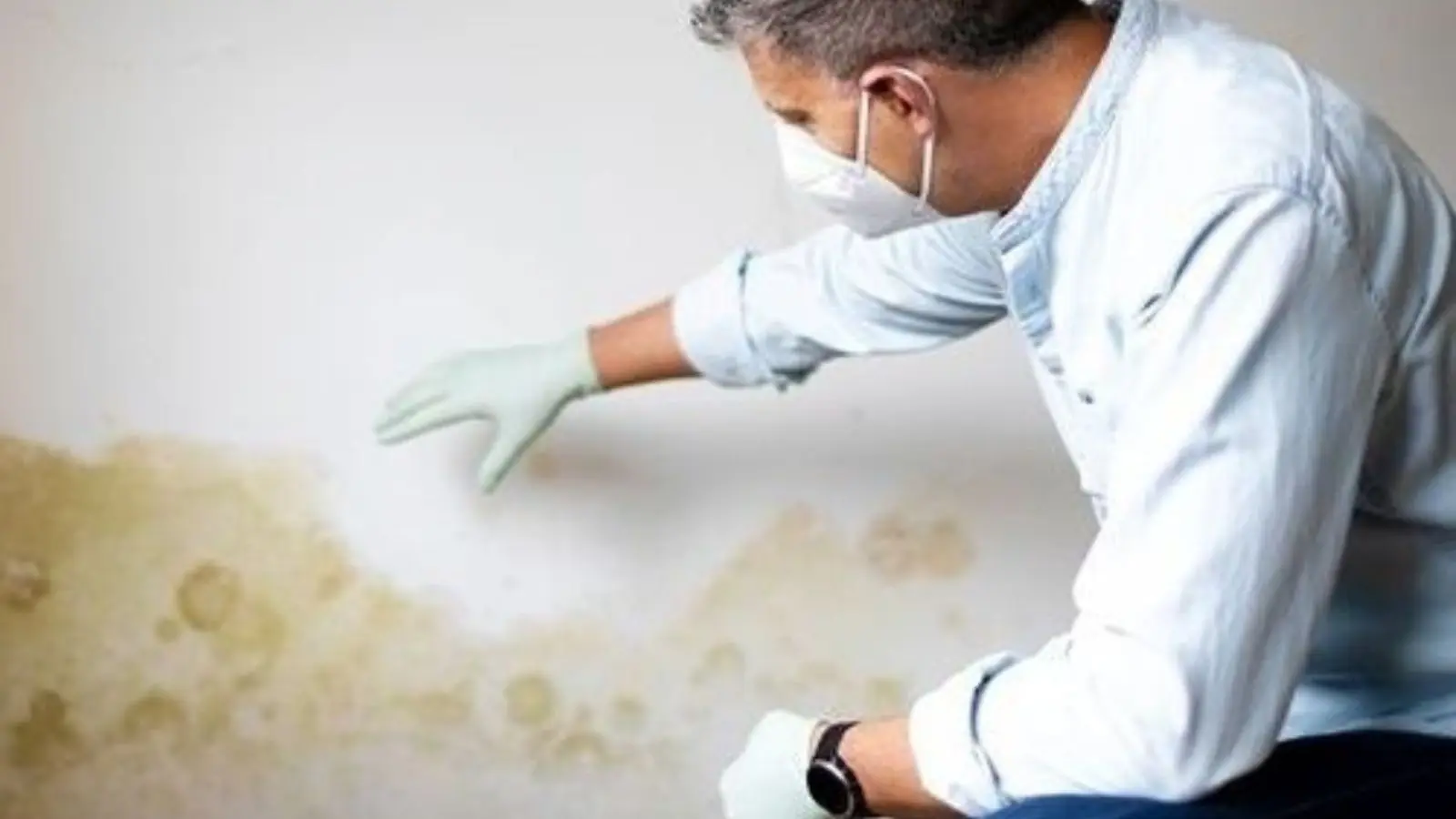
An insurance adjuster comes to see the source of the water, how far it spread, and whether the loss fits what your policy covers. Your part is to protect the evidence. That means photos and video, a written list of damaged items, the damaged items themselves, and receipts for any temporary repairs. The decision belongs to your insurer, and no restoration company can promise how it turns out.
What the adjuster is trying to learn
Think of the visit as a fact-finding trip. The adjuster wants to know where the water came from, when it started, and whether it was sudden or slow. A supply line that snapped on a Tuesday night reads very differently from a stain that has been growing behind a vanity for months.
The source
A failed washer hose, a split pipe, an overflowing toilet or a clogged AC condensate line. The adjuster often wants to see the part that failed, so set it aside instead of tossing it.
The spread
Water moves downhill and wicks up drywall. Expect the adjuster to check the floor below, the ceiling underneath and the walls on both sides of the wet area.
The materials
Flooring type, cabinet bases, insulation and drywall all matter. Hardwood, laminate, carpet and tile behave differently when wet and carry different repair paths.
The timeline
When you noticed it, what you did next and how quickly you reported it. Notes with times help here.
What to document before the visit
Texas Department of Insurance guidance is simple. Take photos or video before repairs begin, keep damaged items until the adjuster has seen them, and make only temporary repairs while you keep receipts. Permanent repairs can wait until your insurer has inspected.
- Stop the water firstShut off the supply to the failed fixture or the main valve. Record the time you did it, since that note shows you acted quickly.
- Photograph wide, then closeStart with each room from the doorway, then move in on the wet wall, the floor, the ceiling and the failed part. Add a short video that walks the whole affected area.
- Write a damaged item listNote each item, where it was, its age and roughly what it cost. Do it room by room while memory is fresh, and photograph labels and serial numbers.
- Set damaged items asideKeep ruined rugs, cushions, small furniture and the broken part until the adjuster has seen them. Move them somewhere dry if you can do so safely.
- Keep temporary repair receiptsTarps, plywood, a shutoff cap or a plumber's emergency visit all count. Save every receipt and photograph the work before and after.
Do not throw away the evidence
Soaked carpet pad and wet drywall look like trash, but the adjuster may want to see them. If a material is unsafe or must come out so drying can start, photograph it thoroughly first and ask your insurer how to handle it.
Water still spreading?
Our 24/7 line is answered at any hour. Call (817) 623-9267 and describe what you see.
Why drying cannot always wait
There is a real tension here. Your insurer wants to see the damage, but wet materials do not hold still. TDI advises drying quickly because mold can start within about a day. If you cannot dry the area yourself, hiring a cleanup service is a normal step, and good documentation makes that possible without losing your claim file.
A company doing water mitigation work will usually photograph the conditions, record moisture readings and note what was removed and why. Ask for those records. They back up your own photos and show the adjuster that removal was driven by the water, not by a preference.
What a restoration scope report is
A scope report is a written description of the damage and the work needed to dry and restore the space. It lists affected rooms, the materials involved, the equipment placed and the steps planned. It is a working document, not a ruling on coverage.
Many homeowners find the report useful because it gives both sides the same description of the job. The adjuster may agree with it, adjust it or add their own findings. Scope and price should be explained before work starts, so you know what you are agreeing to either way.
What you can and cannot expect
| You can expect | You cannot expect |
|---|---|
| Questions about the source, timing and what you did next | A promise from the contractor about what the insurer will pay |
| A walk through the wet areas, often with a moisture meter or camera | A decision on the spot at every visit |
| A request to see the failed part and damaged items | Coverage for slow leaks or long-term seepage in most policies |
| Your own photos and receipts to be reviewed | Flood damage to be covered by a standard homeowner policy |
| Follow-up questions in writing after the visit | Permanent repairs to be approved before the inspection |
If you disagree with how the loss was described, ask your insurer how to submit more information. Your policy lays out the steps. A restoration company can supply documentation, but it cannot argue your coverage for you.
A few scenarios homeowners describe
An upstairs toilet supply line fails overnight and water shows up as a ceiling stain in the room below. The adjuster needs to see both floors, the failed line and the wet ceiling. Photos from the first morning are the best record of how fast the damage spread.
A washer valve drips for a while and the hardwood nearby starts to cup. Here the question of sudden versus gradual comes up, so notes about when you first noticed the floor matter more than anything else you write down.
A roof leak soaks insulation above a bedroom after a storm. The adjuster will look at the roof, the attic and the ceiling. If you must tarp the roof, do it, photograph it and keep the receipt.
Working alongside the visit
If you want a restoration team on site while the claim is open, we can explain the drying plan, the equipment and the written scope before any work begins. Our water damage cleanup service covers removing standing water and wet materials, and the later water damage repair stage covers rebuilding once the structure is dry.
Neighbors in Bedford and Euless face the same questions when a pipe fails, and the same advice applies. Document first, dry quickly, keep receipts, and ask your insurer what they need.
When you are ready to talk it through, call us. We will explain what drying involves and what the written scope would contain, so you can bring that to your insurer.
Frequently Asked Questions
Not entirely. Stop the water, photograph everything and keep damaged items, but do not let wet drywall and carpet sit for days. Tell your insurer about the water as soon as possible and ask what they need you to preserve.
Your insurer deals with the policyholder. We can give you photos, moisture readings and a written scope to share, but the claim itself is between you and your company. Check your policy for how to submit documents.
Say so honestly and describe what was discarded. Photos taken before disposal, receipts or old purchase records can help show what the items were. Keep the rest from now on.
No. A scope report describes damage and planned work. Coverage is decided by your insurer under your policy terms.
Adjusters mostly work from your street address, so have it ready along with a nearby landmark such as Precinct Line Road or Northeast Loop 820 if your home is hard to find. Our shop sits at 227 NE Loop 820 in Hurst.
Hurst Notes for Adjuster Visits
Hurst owners should know that the City of Hurst floodplain page states homeowner policies do not cover flood damage. If your water came from rising creek or street water, an adjuster will treat it differently than a burst pipe, so say plainly where the water came from and check your policy for any flood coverage.
The city floodplain page also notes that FEMA has mapped stream flooding but localized street and yard flooding has not been mapped. If you are unsure which category your loss fits, the City Engineering Division at 817-788-7076 can provide flood map information, and that detail helps you describe the loss accurately.
Sources: City of Hurst floodplain page, Texas Department of Insurance.